
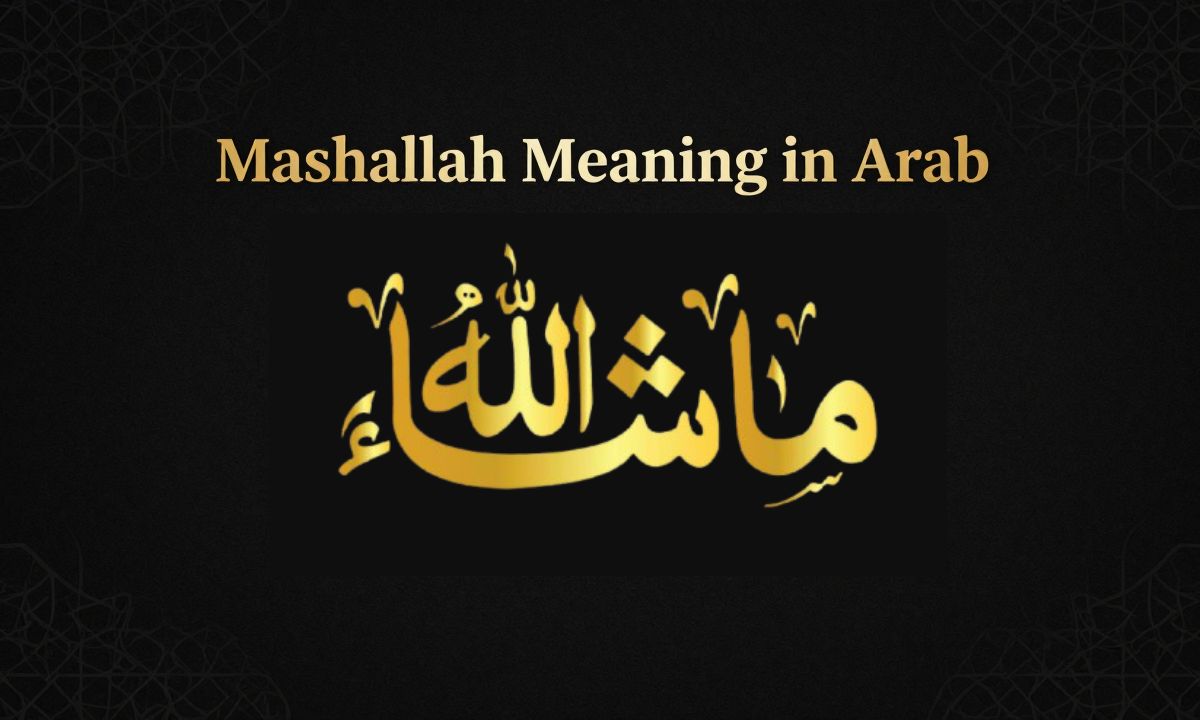

The phrase Mashallah holds deep spiritual value in Islamic culture worldwide. Muslims use this beautiful Arabic expression to acknowledge Allah’s blessings daily. Understanding Mashallah meaning in Arabic helps you appreciate its significance better. This article explores the complete meaning, usage, and importance of Mashallah.
The word Mashallah appears frequently in Muslim conversations around the globe. It represents gratitude, protection, and acknowledgment of divine will in life. Learning about Mashallah in Islam strengthens your connection with Islamic teachings. You will discover how this phrase protects from negativity and jealousy.
This comprehensive guide covers everything about what does Mashallah mean truly. We explain Mashallah pronunciation, proper responses, and common mistakes to avoid. You will learn Mashallah benefits and how to use it correctly. The article includes Arabic examples, Quranic references, and practical daily applications.
The Meaning of “Mashallah” in Arabic
The Mashallah meaning in Arabic translates to “What Allah has willed” literally. It expresses admiration while recognizing that all blessings come from God. Muslims say Mashallah to show appreciation for something beautiful or impressive. This phrase reminds us that Allah controls everything in our lives.
Mashallah Arabic pronunciation is “Ma-shaa-Allah” with emphasis on the middle syllable. The phrase combines gratitude with acknowledgment of divine power and wisdom. People use it to praise children, achievements, beauty, and any blessings. Saying Mashallah helps protect against envy and the harmful evil eye.
The Mashallah importance in Islam cannot be overstated for believers today. It keeps Muslims humble by attributing success to Allah’s will alone. This beautiful phrase strengthens faith and reminds us of God’s control. Learning Mashallah for kids teaches them gratitude and appreciation from childhood.
- Mashallah shows gratitude for blessings and acknowledges Allah’s will
- It protects from jealousy, envy, and the harmful evil eye
- The phrase expresses admiration while maintaining humility and faith
Don’t Miss: Hayati Meaning in Arabic
What Does “Mashallah” Mean?
Understanding what does Mashallah mean requires knowing its three components clearly. The word “Ma” means “what” in Arabic and starts the phrase. “Shaa” comes from the verb meaning “He willed” or “He wished.” “Allah” refers to God, completing this powerful Islamic expression together.
The complete Mashallah meaning in English is “As Allah has willed it.” It acknowledges that every good thing happens through Allah’s permission only. Muslims believe nothing occurs without divine will, making this phrase essential. Mashallah blessings remind us that success comes from Allah, not ourselves.
This phrase appears in Mashallah in Quran, specifically in Surah Al-Kahf. The Quranic verse teaches believers to acknowledge Allah when entering gardens. Mashallah Islamic teaching emphasizes recognizing God’s role in every blessing. The phrase has been used for centuries in Muslim communities worldwide.
- Mashallah combines three Arabic words: Ma (what), Shaa (willed), Allah (God)
- It means “What Allah has willed” or “As Allah has willed”
- The phrase acknowledges that all good comes from Allah’s permission
What is the Reply for Mashallah?
Knowing the proper Mashallah reply shows respect and returns blessings gracefully. When someone says Mashallah to you, respond with gratitude and humility. The correct responses acknowledge their kind words while thanking them appropriately. These replies maintain the spiritual connection and spread blessings to others.
- Barakallah (بارك الله): This means “May Allah bless you” and returns blessings
- Jazakallah Khair (جزاك الله خيراً): This means “May Allah reward you with goodness”
- Ameen (آمين): Simply means “Amen” accepting their prayer and blessings
Understanding how to say Mashallah and respond properly is very important. Your response should reflect gratitude for their recognition of Allah’s blessings. Never reply with pride or arrogance when someone uses this phrase. The proper Mashallah etiquette teaches us to remain humble always.
The Importance of Saying “Mashallah”
The Mashallah importance extends beyond simple words to spiritual protection and guidance. Saying this phrase prevents jealousy from affecting the person or thing admired. It shifts focus from material possessions to Allah’s will and power. Muslims believe that Mashallah protection from the evil eye is real and effective.
Mashallah in daily life, helps maintain gratitude and awareness of blessings. The phrase reminds us that nothing happens without Allah’s permission and will. It teaches humility by acknowledging that human effort alone achieves nothing. Regular use of Mashallah strengthens faith and dependence on Allah.
- When you see Mashallah for beauty, say it to protect from envy
- Use Mashallah for success to acknowledge Allah’s role in achievements
- Say Mashallah for the baby to protect children from harmful jealousy
- Apply Mashallah for achievements to remain humble and grateful
The Prophet Muhammad (PBUH) said: “If you see something you like, say Mashallah.” This hadith emphasizes protecting blessings by acknowledging their divine source immediately. The Mashallah hadith teaches us to express admiration through Allah’s name. Following this teaching brings barakah (blessings) into our daily lives.
Linguistic Root and Grammatical Usage
The Mashallah Arabic structure comes from the root letters ش-ء-ل (Shin-Alif-Lam). These root letters relate to concepts of will, desire, and wanting. The verb “شاء” (Shaa) means “he willed” from the root. Understanding this helps appreciate the depth of Mashallah meaning in Arabic.
| Component | Arabic | Meaning | Function |
| Ma | ما | What | Question word |
| Shaa | شاء | He willed | Past tense verb |
| Allah | الله | God | Divine name |
Grammatically, Mashallah is a fixed phrase that never changes with gender. It remains the same whether referring to males, females, or objects. The Mashallah pronunciation stays consistent in all contexts and situations. Some variations like “Mashallah Tabarakallah” exist for added emphasis only.
Don’t Miss: Elias Name Meaning
Examples of “Mashallah” in Arabic Sentences
ما شاء الله، بيتك جميل جداً!
Mashallah, your house is very beautiful!
ما شاء الله، نجحت في الامتحان!
Mashallah, you passed the exam successfully!
الطفلة جميلة، ما شاء الله.
The baby girl is beautiful, Mashallah.
ما شاء الله، حفظت القرآن كاملاً!
Mashallah, you memorized the entire Quran!
ما شاء الله، عملك ممتاز!
Mashallah, your work is excellent today!
ما شاء الله، سيارتك الجديدة رائعة.
Mashallah, your new car is amazing indeed.
ما شاء الله، أنت موهوب في الرسم!
Mashallah, you are talented in drawing beautifully!
ما شاء الله، الطقس جميل اليوم.
Mashallah, the weather is lovely today outside.
ما شاء الله، حديقتك مليئة بالأزهار.
Mashallah, your garden is full of flowers.
ما شاء الله، ابنك ذكي للغاية!
Mashallah, your son is extremely smart!
Differences Between Mashallah vs Inshallah
| Aspect | Mashallah (ما شاء الله) | Inshallah (إن شاء الله) |
| Meaning | What Allah has willed | If Allah wills |
| Time Reference | Past or present events | Future events and plans |
| Purpose | Express admiration and gratitude | Express hope and intention |
| Usage Context | Acknowledging existing blessings | Planning future activities |
| Example | “Mashallah, you got promoted!” | “Inshallah, I will visit tomorrow” |
| Emotional Tone | Appreciation and praise | Hope and trust |
| Protection Aspect | Guards against the evil eye | Seeks Allah’s help ahead |
| Quranic Basis | Surah Al-Kahf (18:39) | Multiple verses about the future |
Understanding Mashallah vs Inshallah helps you use each phrase correctly. Mashallah refers to blessings that already exist or have happened. Inshallah expresses hope for future events that haven’t occurred yet. Both phrases acknowledge Allah’s control but apply to different time frames.
Cultural or Quranic Significance of “Mashallah”
The Mashallah in the Quran appears in Surah Al-Kahf, verse 39. This verse teaches believers to acknowledge Allah when seeing their blessings. The Mashallah Surah demonstrates the importance of attributing success to God. Islamic scholars emphasize using this phrase regularly in daily conversations.
وَلَوْلَا إِذْ دَخَلْتَ جَنَّتَكَ قُلْتَ مَا شَاءَ اللَّهُ لَا قُوَّةَ إِلَّا بِاللَّهِ
“Why, when you entered your garden, did you not say, ‘What Allah has willed; there is no power except in Allah’?”
إِنَّمَا أَمْرُهُ إِذَا أَرَادَ شَيْئًا أَن يَقُولَ لَهُ كُن فَيَكُونُ
“His command is only when He intends a thing that He says to it, ‘Be,’ and it is.”
The Mashallah cultural meaning extends across all Muslim communities and countries. It represents shared Islamic values of gratitude, humility, and faith together. The phrase brings Muslims closer through common understanding and spiritual connection. Mashallah Allah blessings are acknowledged in every language and culture.
Common Misunderstandings or Mistakes
Many people confuse Mashallah with Inshallah despite their different meanings completely. These two phrases serve different purposes and apply to different situations. Understanding the distinction helps you use Mashallah meaning in Arabic correctly. Avoid these common errors when learning how to say Mashallah.
- Confusing Mashallah (past/present) with Inshallah (future) in conversations regularly
- Mispronouncing as “Masha’Allah” with pause instead of connected “Mashallah”
- Using Mashallah for bad events instead of “Inna Lillahi wa inna ilayhi raji’un”
- Saying Mashallah without sincerity or understanding its true spiritual meaning
- Forgetting to say Mashallah when admiring something, missing the protection
- Using it sarcastically or mockingly, which removes all spiritual benefits
Don’t Miss: Ameen Meaning in Arabic
Why You Should Learn “Mashallah”
Learning Mashallah benefits your spiritual growth and daily Muslim interactions significantly. The phrase deepens your connection with Islamic teachings and community values. Understanding Mashallah good words helps you communicate respect and appreciation properly. It’s essential knowledge for anyone studying Arabic or Islamic culture.
Using Mashallah for friends shows genuine care and protects them spiritually. The phrase works perfectly for Mashallah for family celebrations and achievements. Applying Mashallah appreciation strengthens relationships through shared faith and values. Every Muslim should master this fundamental Islamic expression completely.
- Strengthens your faith by acknowledging Allah’s control in every situation
- Protects loved ones from jealousy and the evil eye through proper usage
- Improves communication with Arabic speakers and Muslim communities worldwide
- Teaches children Mashallah for kids early, building strong Islamic character
- Demonstrates respect for Mashallah Islamic teaching in all your interactions
- Helps maintain humility and gratitude as part of the Mashallah spiritual meaning
The Islamic Perspective on “Mashallah”
Islamic teachings emphasize that everything happens according to Allah’s will exclusively. The Quran mentions in Surah Al-Baqarah (Ayat al-Kursi) Allah’s power. Mashallah respect for divine authority forms the foundation of Muslim belief. This phrase reminds us that human plans mean nothing without Allah.
The Prophet Muhammad (PBUH) regularly used Mashallah in his daily conversations. He taught companions to acknowledge Allah’s will in all circumstances. The Mashallah dua aspect makes it both praise and acknowledgment together. Following this Sunnah brings immense rewards and spiritual protection always.
Scholars explain that Mashallah phrases in Islam prevent arrogance and pride. The expression keeps believers grounded by attributing success to Allah alone. Mashallah admiration should be sincere, not just habitual or meaningless. True understanding of Mashallah gratitude transforms how we view life completely.
Last Words
The Mashallah meaning in Arabic represents a beautiful Islamic concept of gratitude. This powerful phrase connects Muslims worldwide through shared acknowledgment of Allah. Learning to use Mashallah correctly enhances your spiritual journey significantly. Remember to say it sincerely whenever you witness blessings around you.
Mashallah significance extends beyond words to shape our entire worldview completely. It reminds us that Allah controls everything, keeping us humble always. Make Mashallah part of your daily vocabulary and watch blessings multiply. Share this knowledge with others to spread understanding and appreciation widely.
Frequently Asked Questions
What does Mashallah mean in simple terms?
Mashallah means “What Allah has willed” and expresses gratitude for blessings while acknowledging Allah’s power in everything beautiful.
How do you pronounce Mashallah correctly?
The correct Mashallah pronunciation is “Ma-shaa-Allah” with emphasis on the second syllable, spoken smoothly without pausing between words.
When should I say Mashallah?
Say Mashallah when seeing something beautiful, hearing good news, witnessing achievements, or admiring children to protect from evil eye.
What is the difference between Mashallah and Inshallah?
Mashallah refers to past or present blessings already received, while Inshallah expresses hope for future events yet to happen.
Can non-Muslims say Mashallah?
Yes, non-Muslims can say Mashallah respectfully when appreciating blessings, though understanding its Islamic significance enhances its proper meaningful use.
What should I reply when someone says Mashallah?
Reply with “Barakallah” (May Allah bless you) or “Jazakallah Khair” (May Allah reward you with goodness) to return blessings.
Does Mashallah protect from the evil eye?
Yes, saying Mashallah sincerely helps protect from jealousy and evil eye by acknowledging that all blessings come from Allah alone.
Is Mashallah mentioned in the Quran?
Yes, Mashallah appears in Surah Al-Kahf verse 39, where Allah teaches believers to acknowledge His will when seeing blessings.
Can I use Mashallah for bad things?
No, Mashallah is only for good things and blessings, while “Inna Lillahi wa inna ilayhi raji’un” is used for difficulties.
Why is Mashallah important in Islam?
Mashallah is important because it maintains humility, shows gratitude to Allah, protects from envy, and strengthens faith through daily acknowledgment.

David is a naming expert with 2 years of experience at NamesSelections.com, specializing in name meanings, team names, baby names, and unique name ideas. His insights guide readers to choose meaningful and powerful names for every occasion.