
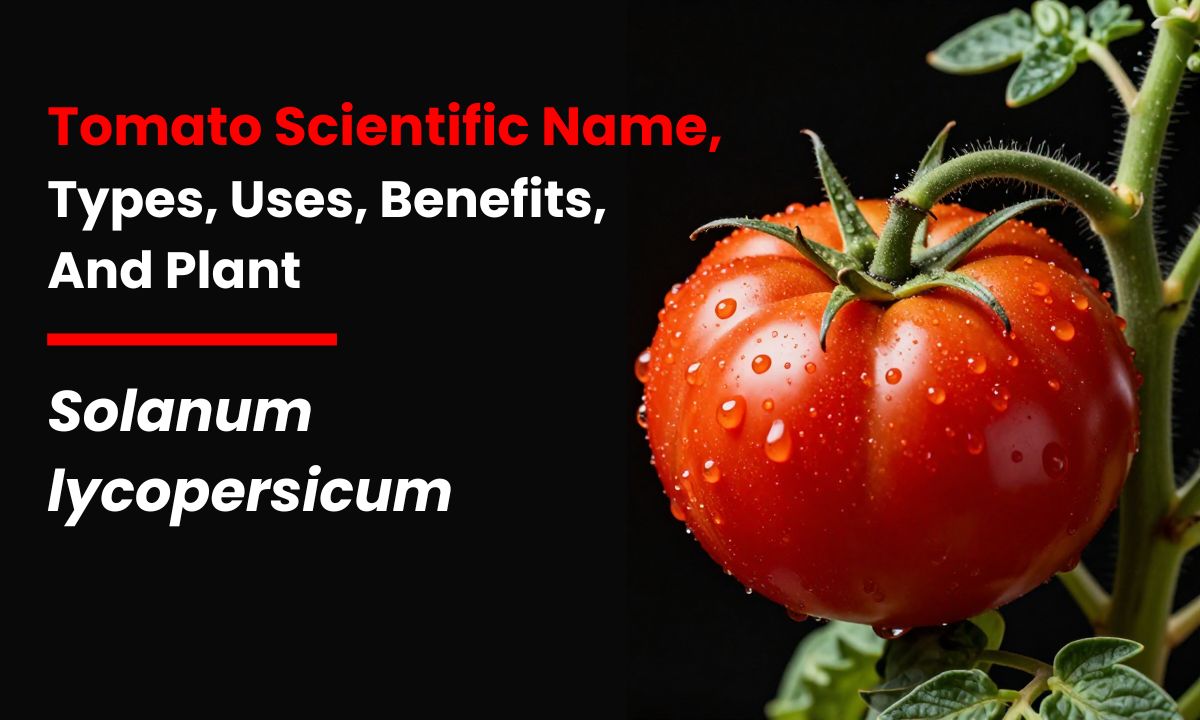

The tomato is one of the most popular fruits worldwide. People grow it in gardens, farms, and greenhouses everywhere today. This guide covers everything about the tomato scientific name and plant.
Understanding the scientific name helps identify tomatoes correctly in research. The botanical classification system ensures accurate communication among scientists and farmers. Learning about tomatoes improves our knowledge of healthy food choices daily.
This article explores tomato types, nutrition, benefits, and cultivation methods. You will discover the difference between fruit and vegetable classifications. We also share medicinal uses and quick facts about tomatoes.
What Is the Scientific Name of Tomato?
The tomato scientific name is Solanum lycopersicum in botanical terms. This Latin name is recognised globally by scientists and researchers. The naming system helps avoid confusion across different languages and regions.
Solanum refers to a large genus of flowering plants worldwide. This genus includes potatoes, eggplants, and many other important crops. Lycopersicum means wolf peach, reflecting old European beliefs about tomatoes.
Indigenous people in Central and South America first cultivated tomatoes. Spanish explorers brought tomatoes to Europe during the sixteenth century. Today, tomatoes are grown in almost every country on Earth.
Don’t Miss: Scientific Name Of Donkey
Botanical Classification of Tomato
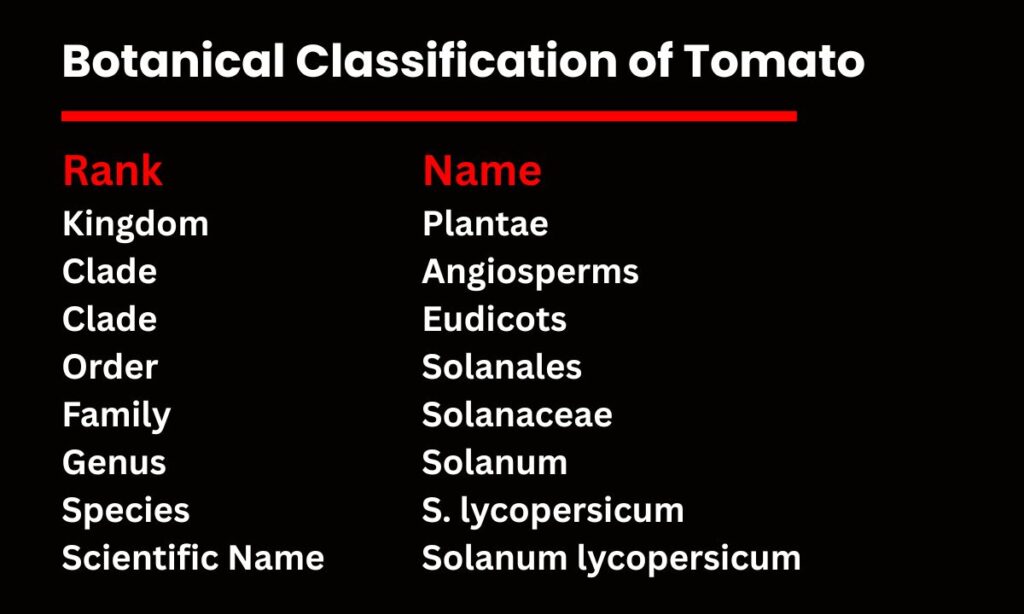
The tomato belongs to the Solanaceae family of flowering plants. This family includes many economically important crops grown for food. Understanding botanical classification helps scientists study plant relationships and evolutionary history.
| Rank | Name |
| Kingdom | Plantae |
| Clade | Angiosperms |
| Clade | Eudicots |
| Order | Solanales |
| Family | Solanaceae |
| Genus | Solanum |
| Species | S. lycopersicum |
| Scientific Name | Solanum lycopersicum |
Meaning and Pronunciation of Tomato
The scientific name Solanum lycopersicum has deep historical roots today. Each word in the name carries a specific meaning from ancient languages. Learning pronunciation helps communicate effectively with other botanists and gardeners worldwide.
Meaning of Tomato Scientific Name
The word Solanum comes from Latin and refers to nightshade. This name connects tomatoes to other nightshade family members worldwide. The term has been used in botanical science for centuries.
- Solanum: Latin word meaning belonging to the nightshade family
- Lycopersicum: Greek origin meaning wolf peach from ancient beliefs
- Lyco: Greek word meaning wolf in ancient language usage
- Persicum: Latin term meaning peach referring to the fruit appearance
Europeans once believed tomatoes were poisonous, like wolves were dangerous. This fear kept many people from eating tomatoes for decades.
Pronunciation of Tomato Scientific Name
Pronouncing the tomato scientific name correctly shows botanical knowledge and expertise. Scientists use specific pronunciation standards for Latin plant names worldwide. Learning proper pronunciation helps avoid misunderstandings in scientific discussions today.
- Solanum: Pronounced as suh-LAY-num with emphasis on the second syllable
- Lycopersicum: Pronounced as ly-koh-PER-si-kum with stress on the third
- Full name: suh-LAY-num ly-koh-PER-si-kum said together smoothly
Practice saying the scientific name slowly at first for accuracy. Correct pronunciation builds confidence when discussing plants with other experts.
Origin and History of the Tomato Plant
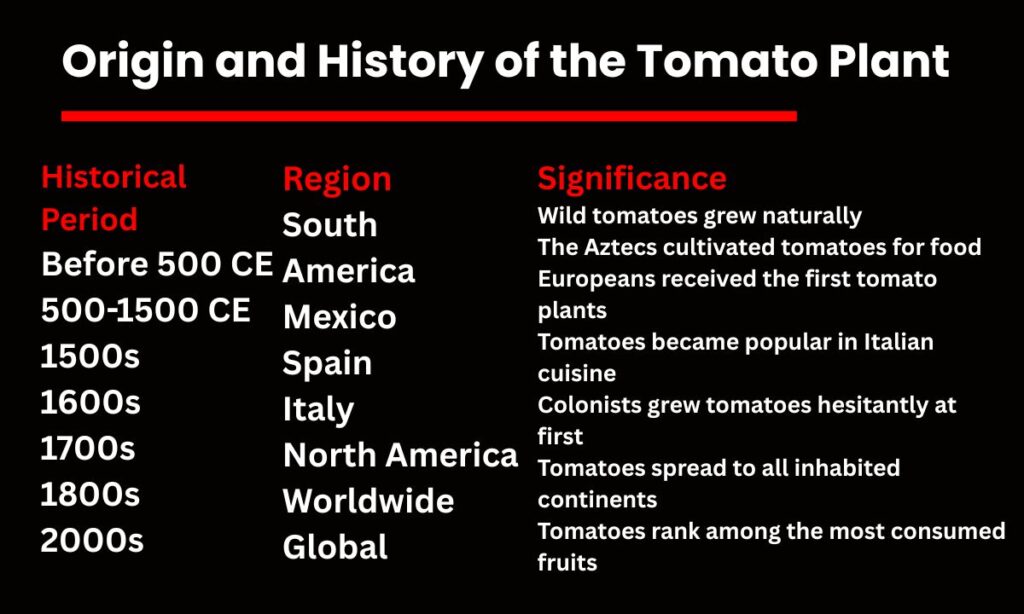
The tomato plant originated in western South America thousands of years ago. Ancient civilisations in Mexico and Peru domesticated wild tomato varieties. These early farmers selected plants with larger and sweeter fruits.
Spanish conquistadors discovered tomatoes in the Americas during exploration voyages. They brought tomato seeds back to Europe in the 1500s. European gardeners initially grew tomatoes as ornamental plants, not food.
| Historical Period | Region | Significance |
| Before 500 CE | South America | Wild tomatoes grew naturally |
| 500-1500 CE | Mexico | The Aztecs cultivated tomatoes for food |
| 1500s | Spain | Europeans received the first tomato plants |
| 1600s | Italy | Tomatoes became popular in Italian cuisine |
| 1700s | North America | Colonists grew tomatoes hesitantly at first |
| 1800s | Worldwide | Tomatoes spread to all inhabited continents |
| 2000s | Global | Tomatoes rank among the most consumed fruits |
Structure Size and Growth of a Tomato Plant
The tomato plant has a herbaceous structure without woody stems. Its green flexible stems need support from stakes or cages. The plant grows quickly in warm weather with adequate sunlight.
Tomato plants can reach heights between three and ten feet. Plant size varies greatly depending on the variety and conditions. Dwarf varieties stay compact while indeterminate types grow very tall.
Key Features
Tomato plants display several distinctive characteristics that identify the species. These features help gardeners recognise healthy plants versus diseased ones.
- Height: Most varieties grow between three and ten feet tall
- Stem: Green, hairy, flexible stems requiring external physical support systems
- Leaves: Compound leaves with multiple lobes and dark green colour
- Flowers: Small yellow star-shaped blooms with five to six petals
- Roots: Fibrous root system spreading widely in the soil for nutrients
- Fruits: Fleshy berries containing many seeds in gel-filled chambers
Tomato plants are dicots, meaning their seeds produce two embryonic leaves. They propagate easily from seeds or stem cuttings in gardens.
Is a Tomato a Fruit or a Vegetable?
The tomato classification creates confusion among many people even today. Scientific definitions differ from culinary usage in everyday cooking practices. Understanding both perspectives helps appreciate this versatile food item better.
Scientifically
From a botanical perspective, tomatoes are definitely classified as fruits. Fruits develop from the flower’s ovary after successful pollination occurs. They contain seeds that can grow into new plants.
Tomatoes specifically are berries because they have fleshy tissue inside. The seeds are embedded in soft gel-like chambers throughout. This structure matches the scientific definition of berry fruits perfectly.
Scientists classify fruits based on their developmental origin from flowers. The culinary use does not affect the botanical classification system. Tomatoes meet all the scientific criteria for fruit classification today.
Don’t Miss: scientific name of frog
In Cooking
Chefs and cooks treat tomatoes as vegetables in kitchen settings. Their savory flavor works better in main dishes than in desserts. Tomatoes appear in salads, sauces, soups, and countless savoury recipes.
Vegetables in cooking refer to savoury plant parts used mainly. This includes roots, stems, leaves, and even some fruits daily. The culinary definition focuses on taste and usage, not biology.
Most people think of tomatoes as vegetables because of their cooking. This culinary classification makes practical sense for meal planning purposes. Both perspectives are valid in their own contexts today.
Fun Fact
The United States Supreme Court made an interesting ruling in 1893. The court declared tomatoes to be vegetables for legal taxation purposes. This decision affected import duties and trade regulations significantly then.
The case Nix v. Hedden decided that vegetables are taxed differently. Tomatoes were imported as vegetables despite botanical classification as fruits. The ruling prioritised common usage over scientific definitions for law.
This legal precedent still influences how people think about tomatoes. Many Americans consider tomatoes vegetables because of this historic decision. The debate continues to spark interesting conversations at dinner tables.
Tomato Types and Varieties
Tomatoes come in an incredible range of types and varieties. Different cultivars offer unique flavours, colours, sizes, and growing characteristics. Gardeners select varieties based on climate, taste preferences, and intended uses.
| Type | Description | Common Uses |
| Cherry | Small round fruits about one inch in diameter | Fresh salads, snacks, lunch boxes, and appetisers |
| Grape | Oblong shape with a sweet, concentrated flavour profile | Roasting, grilling, pasta dishes and kid-friendly snacks |
| Roma | Thick meaty flesh with fewer seeds and juice | Sauces, pastes, canning, and cooking applications primarily |
| Beefsteak | Large slicing tomatoes with a ribbed appearance shape | Burgers, sandwiches, slicing for fresh eating daily |
| Heirloom | Open-pollinated varieties with exceptional flavour quality | Gourmet dishes, farmer’s markets, special occasions only |
| Green Zebra | Green striped skin even when fully ripe | Salads, presentation, and unique flavour profiles for chefs |
| Black Krim | Dark purple-black skin with rich, complex taste | Sandwiches, grilling, and gourmet cooking applications today |
Each variety has different acidity levels and texture characteristics. Growers choose cultivars based on disease resistance and local conditions.
Tomato Size Shape and Nutrition
Tomato Size and Shape
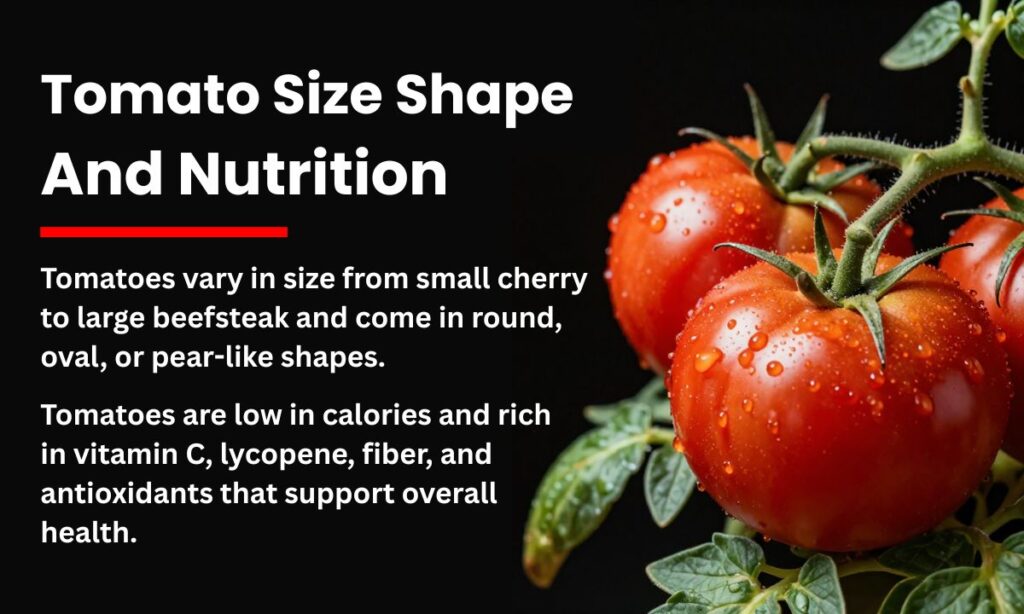
Tomatoes vary greatly in size from tiny to very large. The smallest cherry tomatoes measure about one inch in diameter. The largest beefsteak tomatoes can exceed five inches across fully.
| Variety | Average Size | Weight Range |
| Cherry | 1-2 cm diameter | 10-20 grams each |
| Grape | 2-3 cm length | 15-25 grams each |
| Roma | 5-7 cm length | 50-80 grams each |
| Beefsteak | 10-12 cm diameter | 200-500 grams each |
| Heirloom | 7-10 cm diameter | 150-400 grams each |
Tomato colours include red, yellow, orange, green, purple, and striped. Shape varies from perfectly round to flattened or elongated forms. The skin can be smooth or slightly fuzzy on some.
- Texture: Soft, juicy flesh with gel-filled seed chambers inside
- Skin: Thin smooth outer layer protecting the fruit interior
- Seeds: Multiple small seeds surrounded by gelatinous material throughout
Nutritional Benefits of Tomatoes
Tomatoes provide excellent nutrition with very few calories per serving. They contain mostly water but pack important vitamins and minerals.
Per 100g Raw
A standard serving of raw tomato contains essential nutrients daily. The low calorie content makes tomatoes ideal for weight management. Fresh tomatoes provide hydration along with vitamins and antioxidants.
- Calories: Only 18 calories, making them very diet-friendly
- Water: Approximately 95 per cent water content for hydration
- Carbohydrates: About 3.9 grams including natural sugars present
- Protein: Nearly 0.9 grams of plant-based protein content
- Fibre: Around 1.2 grams supporting digestive health systems
- Vitamin C: Provides 21 per cent of the recommended daily allowance
- Vitamin K: Important for blood clotting and bone health
- Potassium: Helps regulate blood pressure levels in body
- Folate: Essential for cell growth and DNA synthesis
- Lycopene: Powerful antioxidant that gives tomatoes their red colour naturally
Key Health Benefits
Eating tomatoes regularly provides numerous health benefits for your body. The nutrients in tomatoes support multiple organ systems and functions. Scientific research confirms many traditional medicinal uses of tomato consumption.
- Heart Protection: Lycopene reduces harmful LDL cholesterol oxidation levels
- Skin Health: Vitamin C promotes collagen production for youthful skin
- Antioxidant Defence: Phytochemicals protect cells from free radical damage
- Bone Strength: Vitamin K and calcium support strong bones
- Weight Management: Low calories with high water keep you full
- Eye Health: Lutein and zeaxanthin protect against macular degeneration
- Cancer Prevention: Lycopene may reduce certain cancer risks significantly
- Blood Sugar: Low glycemic index helps maintain stable glucose levels
- Immune Support: Vitamin C strengthens the immune system defences daily
- Digestive Health: Fibre content promotes regular bowel movements naturally
Tomatoes work well in various dishes from fresh to cooked. Cooking tomatoes actually increases lycopene availability to your body system. Include tomatoes in your daily diet for optimal health benefits.
Tomato Plant Leaves and Flowers

Tomato plants have distinctive leaves and flowers that identify them. These plant parts play crucial roles in growth and reproduction. Understanding leaf and flower structure helps gardeners care for plants.
Tomato Leaf
Tomato leaves have a compound structure with multiple leaflets attached. Each leaf is deeply lobed with an irregular jagged appearance. The leaves emit a characteristic earthy scent when touched gently.
| Feature | Description |
| Shape | Pinnate compound with multiple leaflets arranged oppositely |
| Texture | Hairy surface with fine trichomes covering both sides |
| Color | Medium to dark green indicates healthy chlorophyll levels |
| Size | Individual leaves range from 4 to 12 inches |
| Function | Photosynthesis, transpiration, and natural pest deterrent mechanisms |
Note: Tomato leaves are not safe to eat because they contain tomatine alkaloids. These compounds can cause digestive upset if consumed in quantity. Only eat the ripe fruit parts of tomato plants.
Tomato Flower
Tomato flowers are small, bright yellow, and star-shaped blooms. They appear in clusters along the stems after vegetative growth. The flowers are perfect, meaning they contain both male parts.
- Colour: Bright yellow petals attract pollinators to the plant
- Structure: Star-shaped with five to six petals arranged radially
- Size: Individual flowers measure about one to two centimetres
- Pollination: Self-pollinating with both male and female organs present
- Timing: Flowers appear approximately 30 to 45 days after planting
Tomato Plant Life Cycle and Development Stages
The tomato plant follows a predictable growth cycle from seed. Understanding each stage helps gardeners provide proper care at times. The complete life cycle takes approximately 75 to 100 days.
| Stage | Timeline | Description |
| Germination | 5-10 days | Seed absorbs water and sprouts tiny roots |
| Seedling | 2-3 weeks | First true leaves develop and grow stronger |
| Vegetative | 3-5 weeks | Rapid leaf and stem growth with branching |
| Flowering | 6 weeks | Yellow flowers bloom signaling reproduction starts |
| Fruit Setting | 7-9 weeks | Small green tomatoes form after successful pollination |
| Green Fruit | 9-10 weeks | Fruits enlarge and remain green in colour |
| Ripening | 10-12+ weeks | Fruits change colour to red, yellow, or orange |
Tomatoes need full sun for six to eight hours daily. Well-drained soil prevents root rot and other fungal diseases.
Don’t Miss: Cow Scientific Name
Climate Soil and Cultivation Requirements for Tomato
Tomatoes thrive in warm weather with plenty of bright sunshine. They need specific conditions to produce abundant healthy fruit crops. Understanding cultivation requirements ensures successful tomato growing experiences for gardeners.
- Temperature: Warm temperatures between 65 and 85 degrees Fahrenheit are ideal
- Sunlight: Full sun exposure for six to eight hours minimum
- Soil pH: Slightly acidic soil between 6.0 and 6.8 preferred
- Soil Type: Well-drained loamy soil rich in organic matter content
- Watering: Consistent moisture without waterlogging or drought stress conditions
- Spacing: Plants need 24 to 36 inches apart for air circulation
- Support: Stakes, cages, or trellises required for most varieties
- Fertiliser: Balanced fertilizer with extra potassium for fruit development
Common Diseases and Pests of Tomato Plant
Tomato plants face various diseases and pests during the growing season. Early detection and prevention methods protect crops from serious damage. Understanding common problems helps gardeners take quick corrective action immediately.
- Early Blight: Fungal disease causing brown spots on lower leaves
- Late Blight: Devastating fungal disease destroying plants rapidly in humidity
- Tomato Hornworm: Large green caterpillars eat leaves and stems voraciously
- Aphids: Small insects sucking sap and spread viral diseases quickly
- Whiteflies: Tiny white insects clustering under leaves causing damage
- Fusarium Wilt: Soil-borne fungal disease causing yellowing and wilting
- Blossom End Rot: Calcium deficiency causing dark spots on fruits
- Tomato Mosaic Virus: Viral infection causing mottled distorted leaf patterns
Common Uses of Tomatoes
Tomatoes are incredibly versatile in both culinary and non-culinary applications. They appear in cuisines from nearly every culture worldwide daily. The fruit’s unique flavour enhances countless dishes and preparations today.
Culinary Uses
Tomatoes feature prominently in cooking traditions across the entire globe. Their savory-sweet flavor complements many ingredients and cooking methods perfectly. Fresh or cooked tomatoes add nutrition and taste to meals.
- Fresh Salads: Sliced tomatoes in garden salads and caprese preparations
- Sauces: Marinara, pizza sauce, pasta sauce, and barbecue sauce
- Soups: Tomato soup, gazpacho, minestrone, and many other varieties
- Juices: Tomato juice, Bloody Mary cocktails, and vegetable juice
- Ketchup: Popular condiment made from concentrated tomato paste worldwide
- Curries: Indian and Asian dishes featuring tomatoes as base
- Canning: Preserved whole or diced tomatoes for year-round use
- Drying: Sun-dried or oven-dried tomatoes for concentrated flavour
Non Food Uses
Tomatoes have applications beyond the kitchen in various industries today. Their natural compounds provide benefits in skincare and health supplements. Some people use tomatoes in gardening and composting applications too.
- Skincare: Face masks using tomato pulp for brightening skin
- Sunburn Relief: Tomato juice applied to skin soothes mild burns
- Lycopene Supplements: Extracted lycopene is sold in capsule form widely
- Natural Dye: Tomato skins produce natural colouring for fabrics
- Composting: Tomato scraps add nutrients to compost piles effectively
Conventional and Medicinal Uses of Tomato
Traditional medicine systems have historically used tomatoes for various ailments. Modern science confirms many of these traditional uses through research. Tomatoes offer therapeutic benefits when included in regular diets today.
- Digestive Health: Fibre content promotes healthy gut function and regularity
- Liver Support: Antioxidants help liver detoxification processes work efficiently
- Anti-inflammatory: Lycopene reduces inflammation throughout the body naturally
- Diabetes Management: Low glycemic index makes tomatoes suitable for diabetics
- Blood Pressure: Potassium helps regulate healthy blood pressure levels daily
- Wound Healing: Vitamin C supports collagen formation for tissue repair
Quick Facts About the Tomato
| Feature | Details |
| Scientific Name | Solanum lycopersicum |
| Common Names | Tomato, love apple, wolf peach historically used |
| Family | Solanaceae (nightshade family with peppers and potatoes) |
| Origin | Western South America, Mexico, and Peru regions |
| Plant Type | Herbaceous perennial grown as annual in most places |
| Fruit Type | Berry (fleshy fruit with embedded seeds throughout) |
| Flower Color | Bright yellow with five to six petals |
| Leaf Type | Compound pinnate leaves with hairy texture naturally |
| Growth Habit | Indeterminate or determinate depending on specific variety chosen |
| Height Range | 3 to 10 feet tall with proper support |
| Fruit Colors | Red, yellow, orange, green, purple, black, striped options |
| Major Nutrients | Lycopene, vitamin C, vitamin K, potassium, fiber |
| Calories | 18 per 100 grams making it very low |
| Growing Season | 75 to 100 days from transplant to harvest |
| pH Preference | 6.0 to 6.8 slightly acidic soil conditions |
| Propagation | Seeds or stem cuttings both work effectively well |
Last Words
The tomato scientific name Solanum lycopersicum identifies this important crop. Understanding scientific classification helps with accurate plant identification globally today. Tomatoes provide excellent nutrition with vitamins, minerals, and powerful antioxidants.
Growing tomatoes requires proper sunlight, soil, and water management techniques. Many varieties exist, from tiny cherry tomatoes to large beefsteaks. Each type offers unique flavors, colors, and culinary uses worldwide.
Tomatoes benefit health through heart protection and immune system support. They contain lycopene, a powerful antioxidant protecting cells from damage. Including tomatoes in your diet promotes overall wellness and vitality.
Whether eaten fresh, cooked, or processed, tomatoes enhance meals. The tomato plant scientific name reflects its nightshade family heritage. This versatile fruit continues to be one of the most popular worldwide.
Frequently Asked Questions
What is the tomato scientific name?
The tomato scientific name is Solanum lycopersicum, belonging to Solanaceae family.
What family does the tomato belong to?
Tomatoes belong to the Solanaceae family, also called the nightshade family.
Is a tomato a fruit or vegetable?
Botanically, tomatoes are fruits, specifically berries, but used as vegetables cooking.
What are the health benefits of eating tomatoes?
Tomatoes provide lycopene, vitamin C, fiber, antioxidants supporting heart and skin.
How long does it take to grow tomatoes?
Tomatoes take approximately 75 to 100 days from planting to harvest.
What is the scientific name for cherry tomatoes?
Cherry tomatoes also use Solanum lycopersicum, same as regular tomato varieties.
Can tomato leaves be eaten safely?
No, tomato leaves contain toxic alkaloids and should never be consumed.
What is the beefsteak tomato scientific name?
Beefsteak tomatoes are Solanum lycopersicum, a variety within the species.
Where did tomatoes originally come from?
Tomatoes originated in western South America, particularly Mexico and Peru.
What nutrients are found in tomatoes?
Tomatoes contain lycopene, vitamin C, potassium, fiber, and various antioxidants.

David is a naming expert with 2 years of experience at NamesSelections.com, specializing in name meanings, team names, baby names, and unique name ideas. His insights guide readers to choose meaningful and powerful names for every occasion.