


November brings special celebrations across Sweden each day. Swedish families honor their loved ones through name days. This tradition connects modern life with historical Swedish customs. Name days create joyful moments throughout the entire month.
The Swedish name day calendar features diverse November names. Each date celebrates one or multiple traditional Swedish names. People receive warm greetings from friends and family members. These celebrations strengthen bonds within communities across the country.
November’s name days blend old traditions with contemporary practices. The month showcases both common and unique Swedish names. Celebrations range from simple messages to special family gatherings. This cultural practice remains meaningful for many Swedish people.
Name Days: Tradition, Meaning, and Celebration
Name days hold a cherished place in Swedish culture. Every person with a calendar name gets recognition yearly. Friends and relatives share congratulations on these special dates. The tradition adds extra joy beyond regular birthday celebrations.
Swedish name days connect people to their cultural heritage. These celebrations honor historical saints and traditional Swedish naming. Modern Swedes continue this practice in updated contemporary ways. The custom creates opportunities for showing care and appreciation.
Workplaces and schools often acknowledge name day celebrations briefly. People exchange flowers, cards, or simple verbal congratulations daily. The tradition remains less formal than birthday party celebrations. Many Swedes value this unique aspect of their culture.
Key Elements of Name Day Celebrations:
- Personal greetings from family members and close friends
- Small gifts like flowers or chocolate boxes
- Recognition in workplaces with coffee and simple congratulations
- Social media posts and digital messages in modern times
- Calendar reminders help people remember important name day dates
Name Days in November in Sweden: Complete List of Names and Dates
November showcases a wonderful variety of Swedish name days. Each date throughout the month celebrates specific traditional names. The calendar includes both masculine and feminine name variations. This comprehensive list helps people track important celebration dates.
Swedish tradition assigns certain names to each November day. Some dates feature single names while others celebrate pairs. The Swedish Academy maintains and updates this official calendar. People across Sweden reference this list for yearly celebrations.
| Country | Month | Day | Name Days | Gender/Note |
| Sweden | November | 2 | Tobias | Male |
| Sweden | November | 3 | Hubert, Hugo | Male |
| Sweden | November | 4 | Sverker | Male |
| Sweden | November | 5 | Eugene, Eugenia | Male & Female variants |
| Sweden | November | 6 | Adolf, Gustav | Male |
| Sweden | November | 7 | Ingegerd, Ingela | Female |
| Sweden | November | 8 | Vendela | Female |
| Sweden | November | 9 | Theodore, Theodora | Male & Female variants |
| Sweden | November | 10 | Martin, Martina | Male & Female variants |
| Sweden | November | 11 | Marten | Male |
| Sweden | November | 12 | Conrad, Kurt | Male |
| Sweden | November | 13 | Krister, Christian | Male |
| Sweden | November | 14 | Emil, Emilia | Male & Female variants |
| Sweden | November | 15 | Leopold | Male |
| Sweden | November | 16 | Vibeke, Viveka | Female |
| Sweden | November | 17 | Naemi, Naima | Female |
| Sweden | November | 18 | Moa | Female |
| Sweden | November | 19 | Elizabeth, Lisbet | Female |
| Sweden | November | 20 | Marina, Pontus | Female & Male |
| Sweden | November | 21 | Helga, Olga | Female |
| Sweden | November | 22 | Cecilia, Sissela | Female |
| Sweden | November | 23 | Clement | Male |
| Sweden | November | 24 | Gudrun, Rune | Female & Male |
| Sweden | November | 25 | Catherine, Katja | Female |
| Sweden | November | 26 | Linus | Male |
| Sweden | November | 27 | Astrid | Female |
| Sweden | November | 28 | Malte | Male |
| Sweden | November | 29 | Sune | Male |
| Sweden | November | 30 | Anders, Andreas | Male |
Name Days in Sweden: Traditions, History and Celebrations

Swedish name day traditions span centuries of cultural history. This practice blends religious origins with modern Swedish customs. People throughout Sweden continue celebrating these special occasions annually. The tradition reflects Sweden’s commitment to preserving cultural heritage.
Name days create regular opportunities for social connection yearly. Unlike birthdays, these celebrations follow the established Swedish calendar. Every person shares their name day with others nationwide. This shared experience strengthens community bonds across Swedish society.
Modern celebrations balance tradition with contemporary Swedish lifestyle preferences. Young and old generations participate in name day customs. The practice adapts to changing communication methods and lifestyles. Swedish people value this connection to their cultural past.
History and Origin
The Catholic Church introduced name day calendars during medieval times. Saints’ feast days formed the foundation of early calendars. Different European countries developed their own naming day traditions. Sweden embraced this custom and made it uniquely Swedish.
Medieval Name Day Development:
- Church saints provided the original calendar name selections
- Each saint’s feast day became associated with names
- Communities celebrated these days with religious observance and respect
Sweden established its first official name day calendar officially. The eighteenth century marked this important cultural development milestone. Swedish authorities wanted a unified calendar for the nation. This standardization helped create shared cultural celebrations nationwide.
Swedish Calendar Establishment:
- The 1700s brought the first organized Swedish calendar
- Officials selected names based on Swedish tradition and heritage
- Regular updates incorporated new names into the official listing
Name Days in Sweden Today
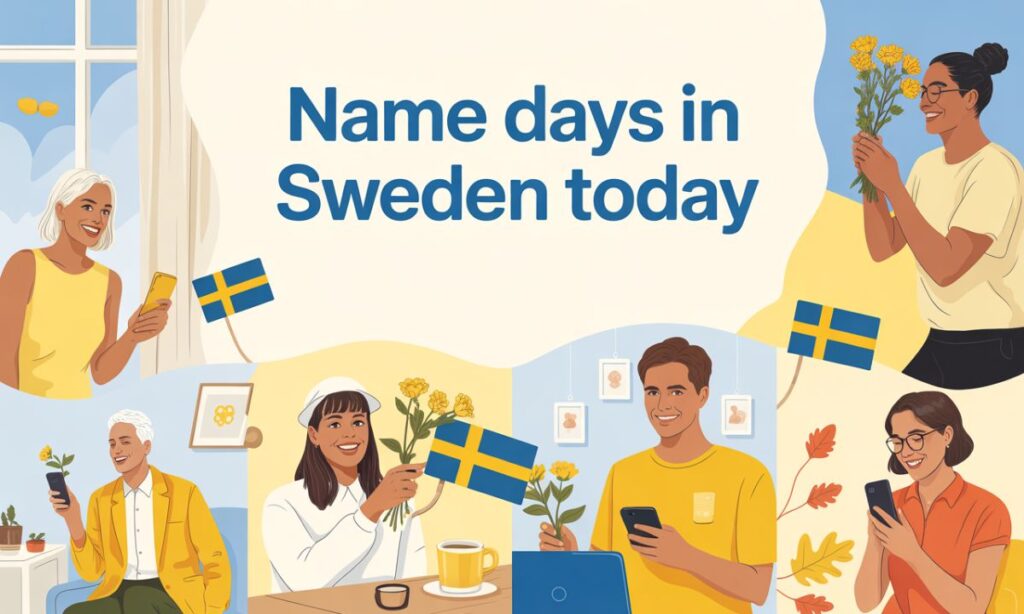
Contemporary Swedish name days maintain their cultural significance today. The Swedish Academy oversees the official calendar management responsibilities. Updates occur regularly to reflect modern Swedish naming trends. This ensures the calendar remains relevant for current generations.
Most Swedish people celebrate name days with simple gestures. Digital communication has transformed how people share congratulations nowadays. Text messages and social media posts have become common. Traditional methods like phone calls and flowers remain popular.
Modern Name Day Practices:
- Quick digital messages through smartphones and social media
- Workplace coffee breaks honoring colleagues’ special name days
- Small personal gifts exchanged between close friends and family
Modern Importance of Name Days in Swedish Culture
Name days preserve cultural identity within modern Swedish society. These celebrations connect people to their historical Swedish roots. Younger generations learn about traditions through name day customs. The practice maintains relevance despite changing social patterns today.
Swedish workplaces integrate name days into their company cultures. Colleagues acknowledge these occasions with brief friendly celebrations together. Schools teach children about the tradition’s historical background information. This educational aspect ensures continuity for future Swedish generations.
Cultural Significance Today:
- Reinforces Swedish cultural identity across all age groups
- Creates regular social interaction opportunities throughout the year
- Maintains a connection between traditions and present lifestyles
- Provides simple ways to show care and appreciation
Differences Between Different Countries
European countries celebrate name days with varying levels of importance. Greece and Poland treat name days as major celebrations. Catholic countries often emphasize religious aspects of name days. Sweden’s approach has become more secular and informal recently.
Finland maintains separate calendars for Finnish and Swedish populations. Germanic countries follow similar patterns to Swedish name traditions. Mediterranean regions often celebrate name days more elaborately together. Each country adapts the tradition to its unique culture.
| Country | Celebration Style | Religious Connection | Compared to Birthdays |
| Sweden | Informal, simple greetings | Minimal | Less important |
| Greece | Large family gatherings | Strong | Often more important |
| Poland | Gifts and parties | Moderate | Equal importance |
| Finland | Dual calendars | Minimal | Less important |
| Spain | Regional variations | Moderate | Secondary celebration |
| Germany | Quiet recognition | Minimal | Much less important |
Regional Differences in Sweden

Urban and rural areas celebrate name days somewhat differently. Smaller Swedish communities maintain stronger traditional celebration practices regularly. Large cities like Stockholm show more casual observation patterns. Older generations remain more committed to the tradition overall.
Northern Sweden preserves name day customs more actively today. Southern regions blend traditional and modern celebration approaches. Coastal areas reflect similar patterns to major Swedish cities. These regional variations create a diverse cultural landscape nationwide.
Regional Celebration Patterns:
- Rural communities: Traditional gatherings with coffee and homemade treats
- Stockholm area: Quick text messages and brief workplace acknowledgments
- Gothenburg region: Mix of traditional and contemporary celebration styles
- Northern Sweden: Stronger adherence to historical celebration customs today
- Southern Sweden: More relaxed and informal recognition of occasions
How Name Days Were Celebrated in the Past
Swedish families gathered for elaborate name day festivities historically. The nineteenth century saw name days rivaling birthdays significantly. Homes filled with relatives celebrating together over special meals. Children received small presents marking their special calendar day.
Rural Swedish communities organized collective celebrations for shared names. People with the same name celebrated together as groups. Baked goods and traditional Swedish dishes dominated these gatherings. The entire village might participate in larger celebrations together.
Formal invitations went out for significant name day celebrations. Guests dressed in their finest clothes for these events. Music and dancing accompanied evening name day party celebrations. These traditions strengthened community bonds throughout Swedish rural areas.
How Name Days Are Celebrated Today
Modern Swedish name days feature simpler and more casual celebrations. People appreciate thoughtful gestures over elaborate party planning today. Digital technology makes sending greetings quick and convenient now. The spirit of recognition remains despite changing celebration methods.
Contemporary Celebration Methods:
- Text messages or social media posts with congratulations
- Phone calls from close family members and friends
- Small workplace gatherings with coffee and simple treats
- Flowers delivered to home or office locations
- Personal visits for especially close relationships and family
Swedish Name Day Calendar Updates and Changes Over Time
The Swedish Academy reviews and updates the calendar regularly. Modern Swedish parents choose increasingly diverse names for children. The calendar must reflect these contemporary naming trends. Updates ensure the tradition remains relevant for new generations.
Historical name day calendars featured primarily religious saint names. Contemporary versions include international and modern Swedish name choices. The Swedish Academy balances tradition with evolving cultural preferences. These changes keep the calendar meaningful for today’s population.
Calendar Evolution Timeline:
- 1700s → First official Swedish name day calendar established
- 1901 → Major revision included more Swedish historical names
- 1972 → Calendar updated to include international name variations
- 1993 → Swedish Academy assumed responsibility for calendar management
- 2001 → Significant modernization introduced contemporary popular names
- 2015 → Additional updates reflected multicultural Swedish society today
- 2025 → Ongoing reviews ensure calendar matches current naming trends
Popular Swedish Names Celebrated in November

- Gustav (Nov 6) — Classic Swedish royal name with historical significance
- Martin/Martina (Nov 10) — Popular matched pair celebrated widely
- Cecilia (Nov 22) — Elegant name honoring Saint Cecilia traditions
- Anders (Nov 30) — Traditional Swedish variant of the Andrew name
- Katarina/Katja (Nov 25) — Beloved Swedish feminine name variations
- Hugo (Nov 3) — Trendy name gaining popularity among young parents
- Emil/Emilia (Nov 14) — Classic matched names celebrated together
- Astrid (Nov 27) — Vintage Swedish name experiencing modern revival
How to Surprise Someone on Their Name Day
- Check the calendar early to find their exact name day date and prepare thoughtfully ahead of time.
- Send fresh flowers with a handwritten personal card expressing warm congratulations and appreciation for them.
- Bake homemade treats like cinnamon buns or cookies, traditional to Swedish celebration customs and culture.
- Plan a surprise coffee break inviting their closest friends and colleagues to join the celebration together.
- Create a digital greeting video featuring messages from multiple friends and family members worldwide.
- Give a thoughtful small gift like Swedish chocolates or a personalized item matching their interests.
- Cook their favorite meal and invite them for an unexpected dinner celebration at home.
- Post a heartfelt message on social media sharing why their friendship matters to you.
- Organize a workplace surprise coordinating with colleagues for a quick cheerful celebration moment.
- Make an unexpected visit bringing flowers and spending quality time together that day.
Name Days in the Future
Swedish name day traditions will likely continue evolving gradually. Digital innovations make remembering and celebrating these occasions easier. Calendar apps send automatic reminders for important name days. Social media platforms facilitate quick congratulatory messages and posts.
The tradition adapts while maintaining its core cultural value. Younger generations appreciate simpler celebration methods over elaborate gatherings. Multicultural influences will probably shape future Swedish calendars. The Swedish Academy will continue updating names regularly ahead.
Future Name Day Trends:
- Increased digital integration with smart calendar apps and reminders
- More multicultural names added, reflecting diverse modern Swedish society
Last Words
Name days represent an enduring Swedish cultural treasure today. This tradition connects modern Swedes to their historical heritage. Simple gestures of recognition bring joy to people daily. The practice will continue to enrich Swedish social life ahead.
Celebrating name days strengthens relationships within Swedish communities nationwide. Whether through digital messages or traditional flower bouquets matters less. The thoughtfulness behind recognition creates meaningful moments for people. Sweden’s name day tradition remains a beautiful cultural practice.
Frequently Asked Questions
What is a Swedish name day and why celebrate it?
A Swedish name day is a traditional celebration where specific names are honored on designated calendar dates throughout the year. People with these names receive congratulations from friends and family members.
When are name days celebrated in November in Sweden?
Name days occur every single day throughout November in Sweden. Each date from November 2nd through November 30th celebrates different traditional Swedish name according to the official calendar.
How do Swedish people celebrate name days today?
Most Swedes celebrate with simple gestures like text messages, phone calls, or social media posts. Some workplaces offer coffee breaks while close friends might give flowers or small gifts.
Are Swedish name days more important than birthdays?
No, birthdays remain more important in Swedish culture. Name days are celebrated more casually with smaller gestures rather than elaborate parties or major gift exchanges.
Who decides which names appear on Swedish name day calendar?
The Swedish Academy maintains and updates the official name day calendar. They review naming trends regularly and add new names to reflect modern Swedish society.
Can I celebrate my name day if born outside Sweden?
Yes, anyone with a name appearing on the Swedish calendar can celebrate. Many people with Scandinavian heritage living abroad continue this cultural tradition.
What happens if multiple people share the same name day?
They celebrate together on the same date. In the past, Swedish communities would hold group celebrations for everyone sharing that particular name.
Do all Swedish names have a name day assigned?
Not every name appears on the calendar. The Swedish Academy includes traditional and popular names, but some modern or rare names lack designated dates.
How can I find out my Swedish name day?
You can search online name day calendars or check Swedish calendar apps. Simply enter your name to discover if and when your name day occurs.
Will Swedish name day traditions continue in the future?
Yes, the tradition will likely continue evolving with modern technology. Younger generations maintain the practice using digital communication while preserving its cultural significance.

David is a naming expert with 2 years of experience at NamesSelections.com, specializing in name meanings, team names, baby names, and unique name ideas. His insights guide readers to choose meaningful and powerful names for every occasion.